Aquanaria Great Atlantic Sea Bass
spain
Aquanaria Great Atlantic Sea Bass offers a thick, versatile fillet that’s miles away from a conventional branzino.
the fish
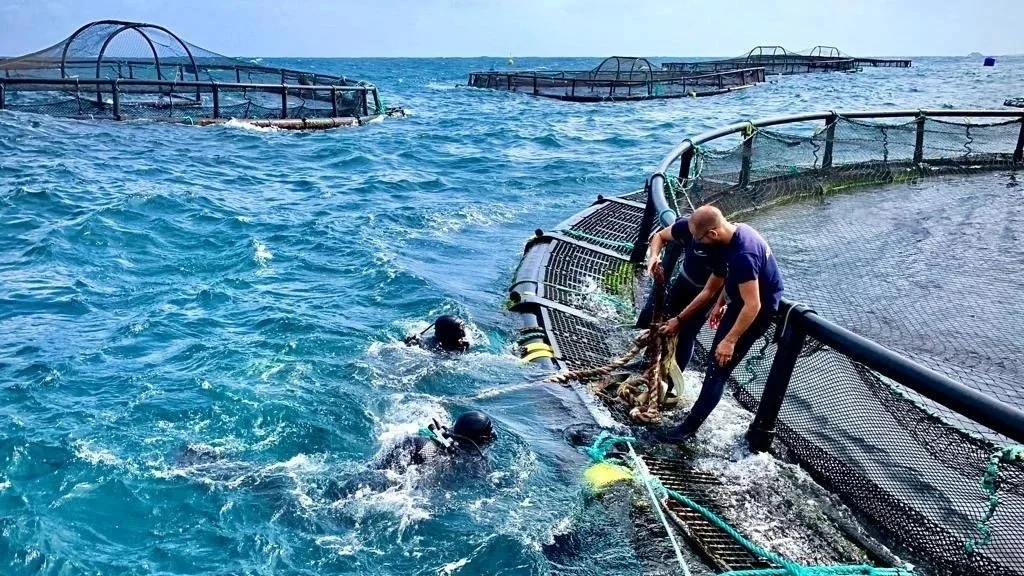
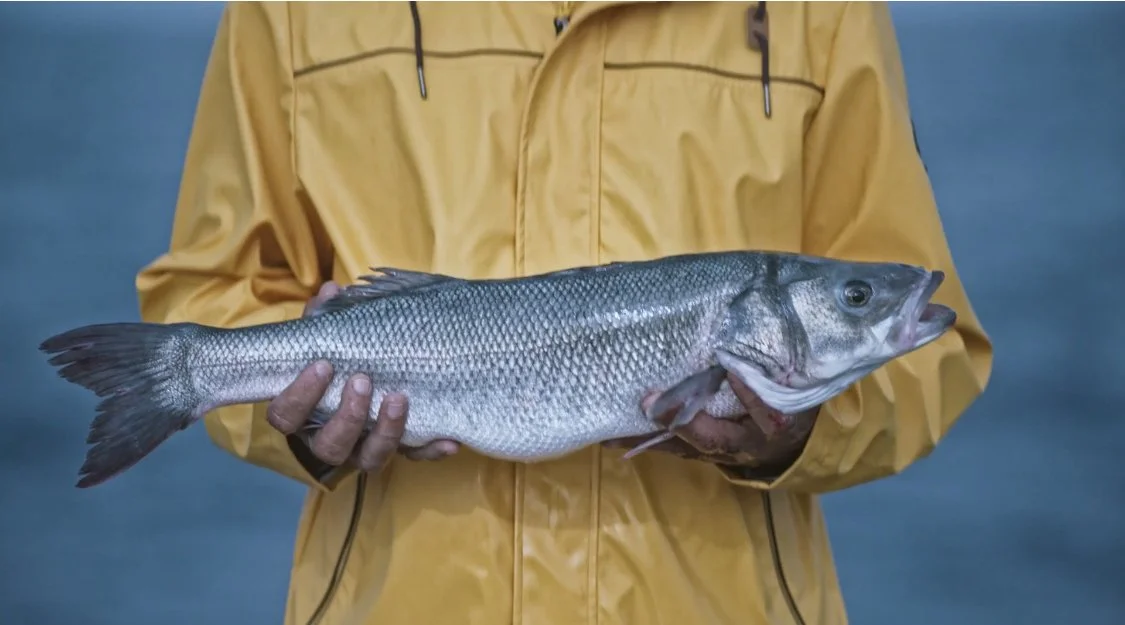
Great Atlantic Sea Bass (Dicentrarchus labrax), also known as Loup de Mer or Lubina, are raised in rough, deep waters off the Canary Islands.
Catches of wild sea bass are strictly limited to let populations recover, and large fish like these have become a rarity in kitchens.
Taking an average of four years to reach harvest size and weighing around 2 kg, they have a thick, firm fillet that allows a range of preparations that can only be accomplished with a fish this size.
the farm
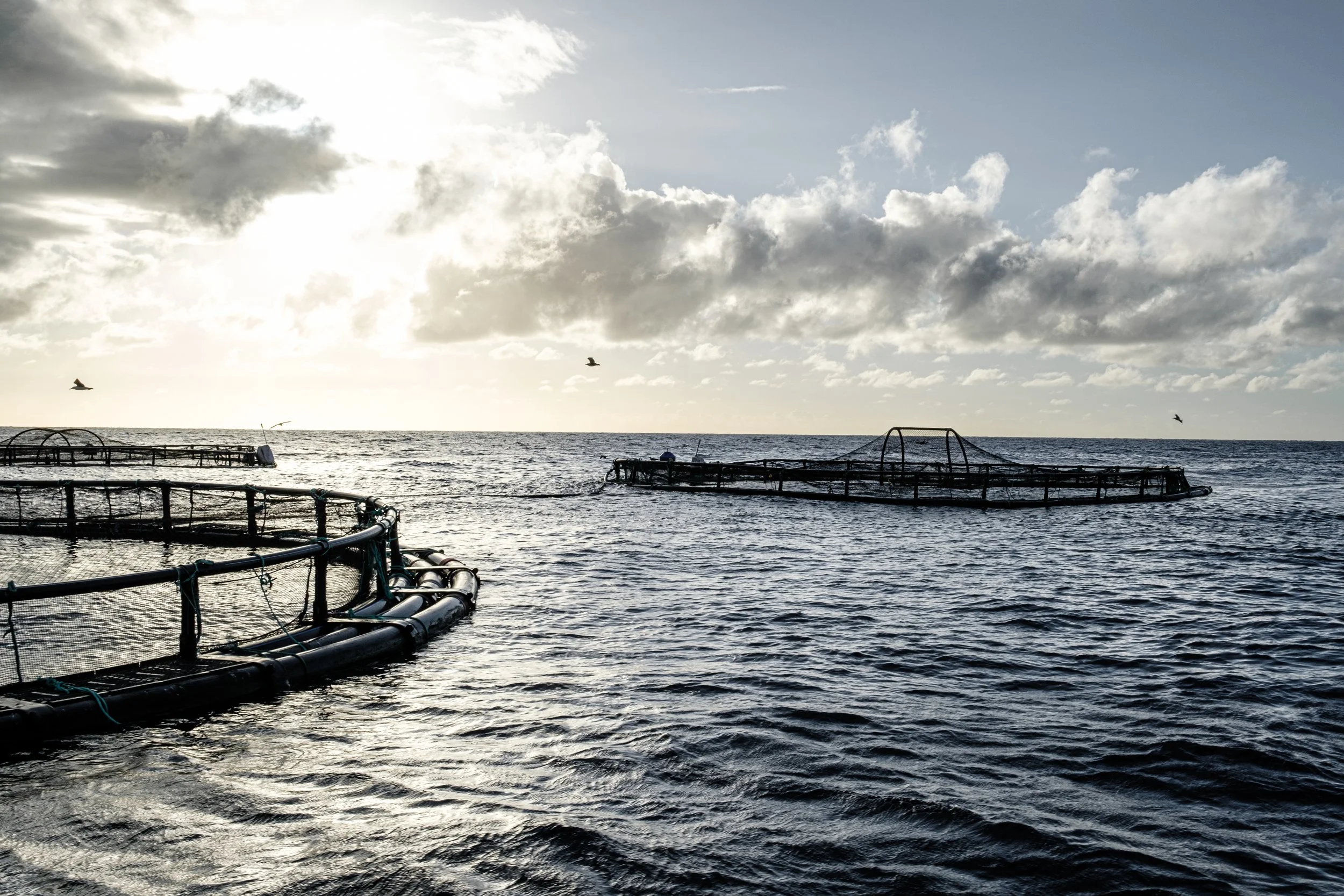
Aquanaria raises its Great Atlantic Sea Bass two miles offshore from the Canary Islands, an area of rich marine biodiversity. Most sea bass sold as branzino in the US market are raised in the warm waters of the Mediterranean and are harvested much smaller. Rough waves, colder oxygenated water, and strong currents in the Atlantic make these fish swim harder and develop a firm texture and good fat content.
Fish are raised at low density (98% water to 2% fish) and are fed a diet rich in marine protein. Prior to harvest the fish fast for 48 hours, preventing any off flavors and extending shelf life. Fish are harvested at night to lower their stress using the “thermal shock” method and are packed and dispatched from the facilities in less than 12 hours.
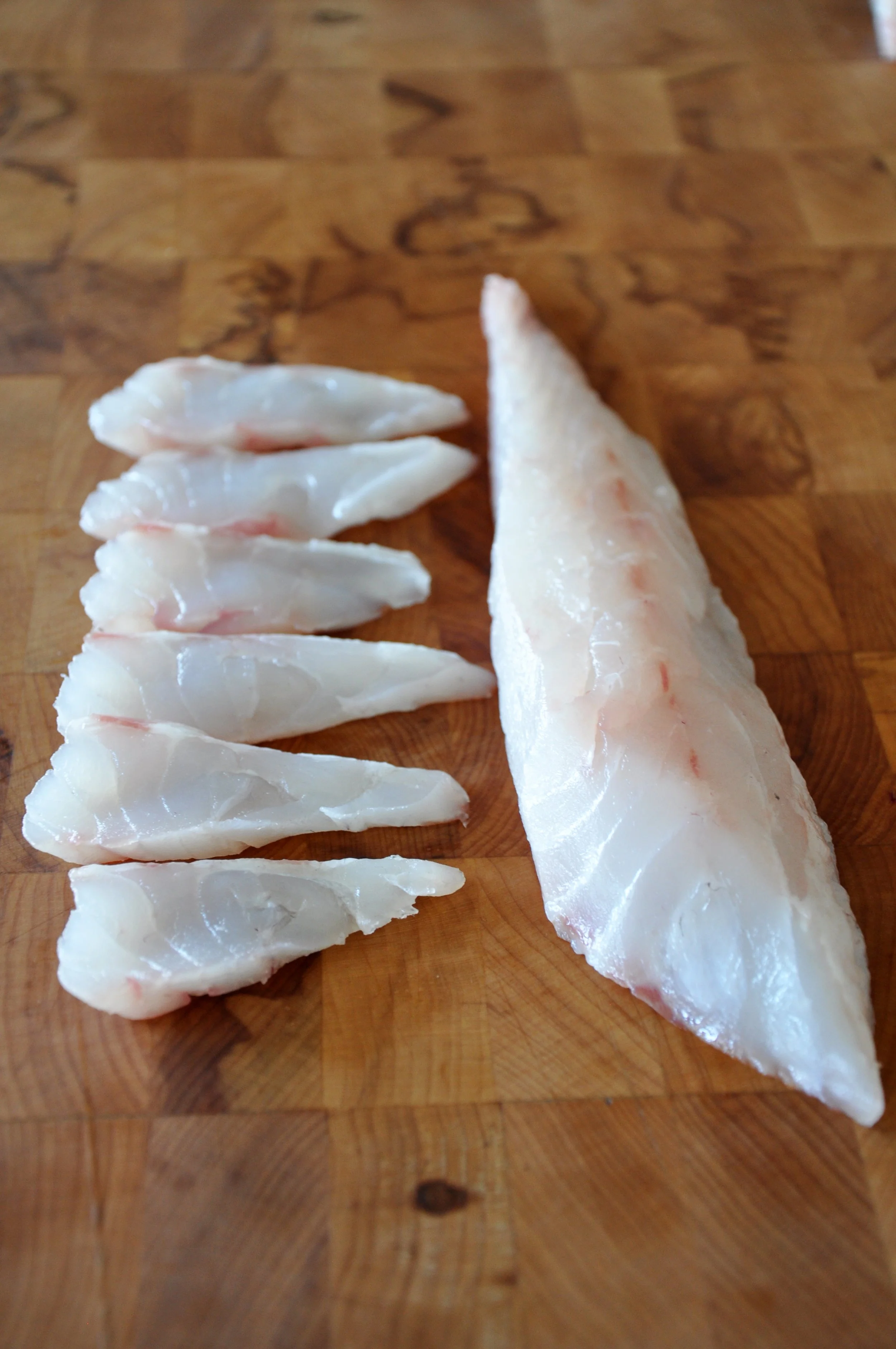
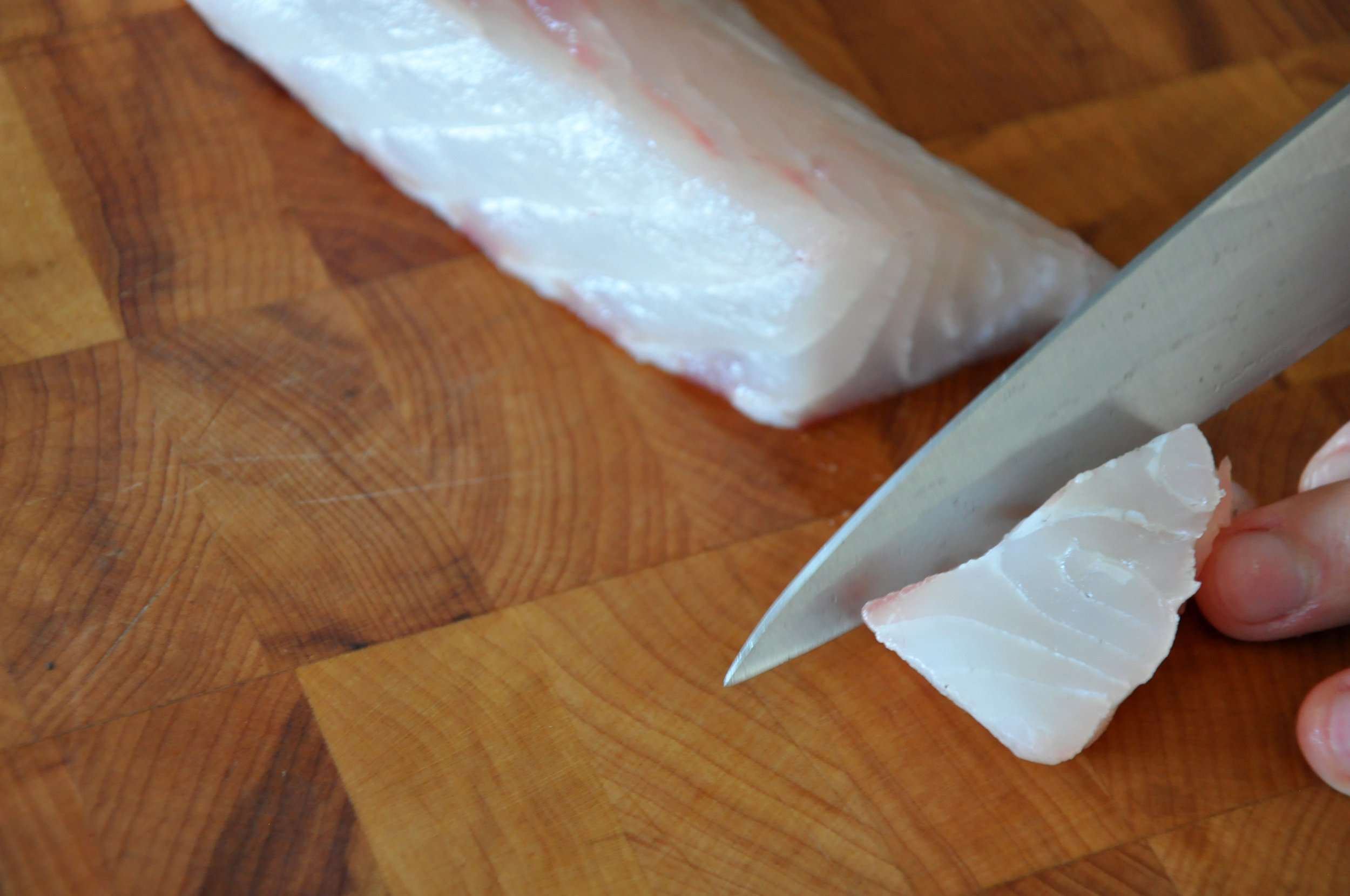
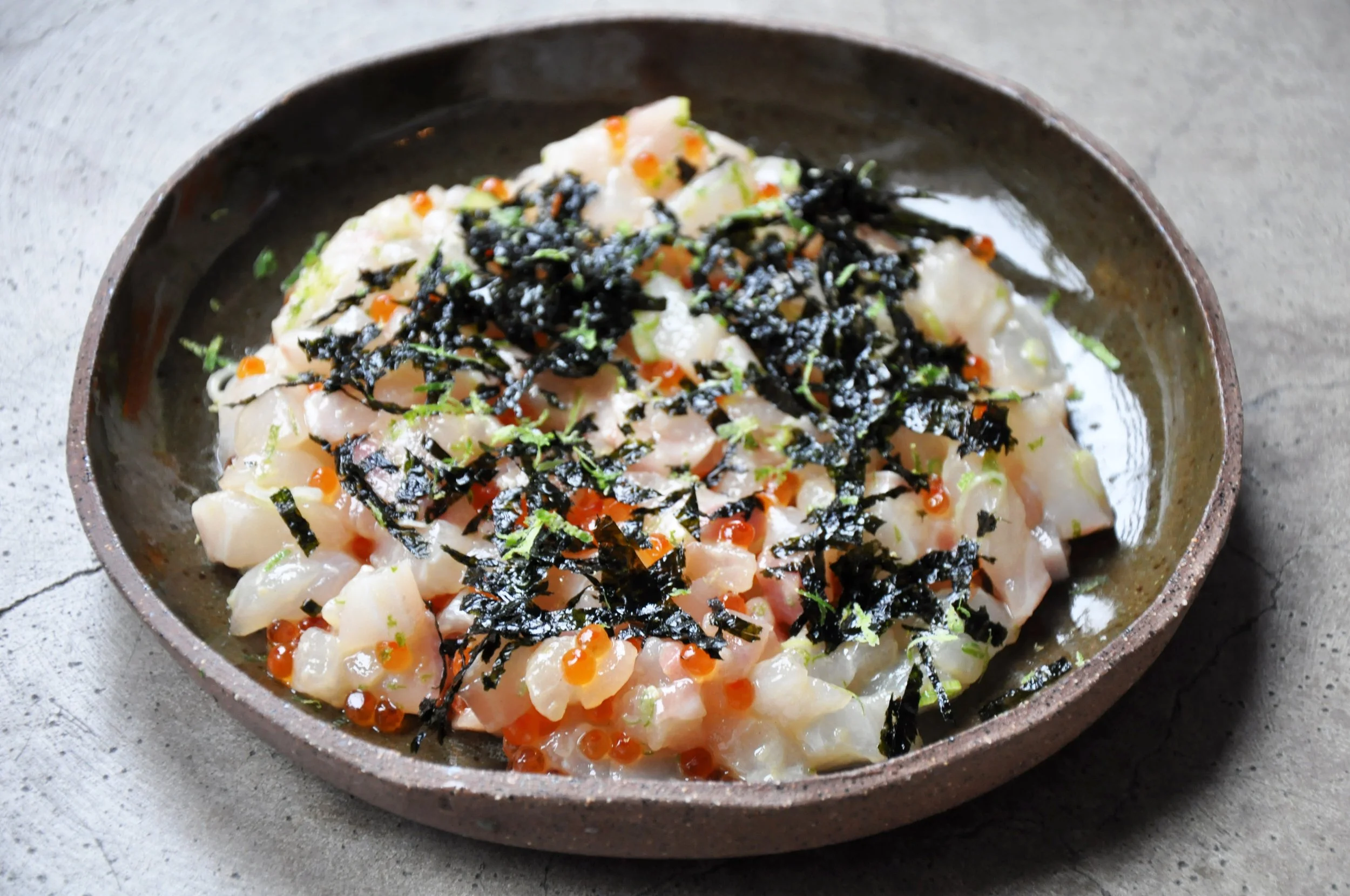
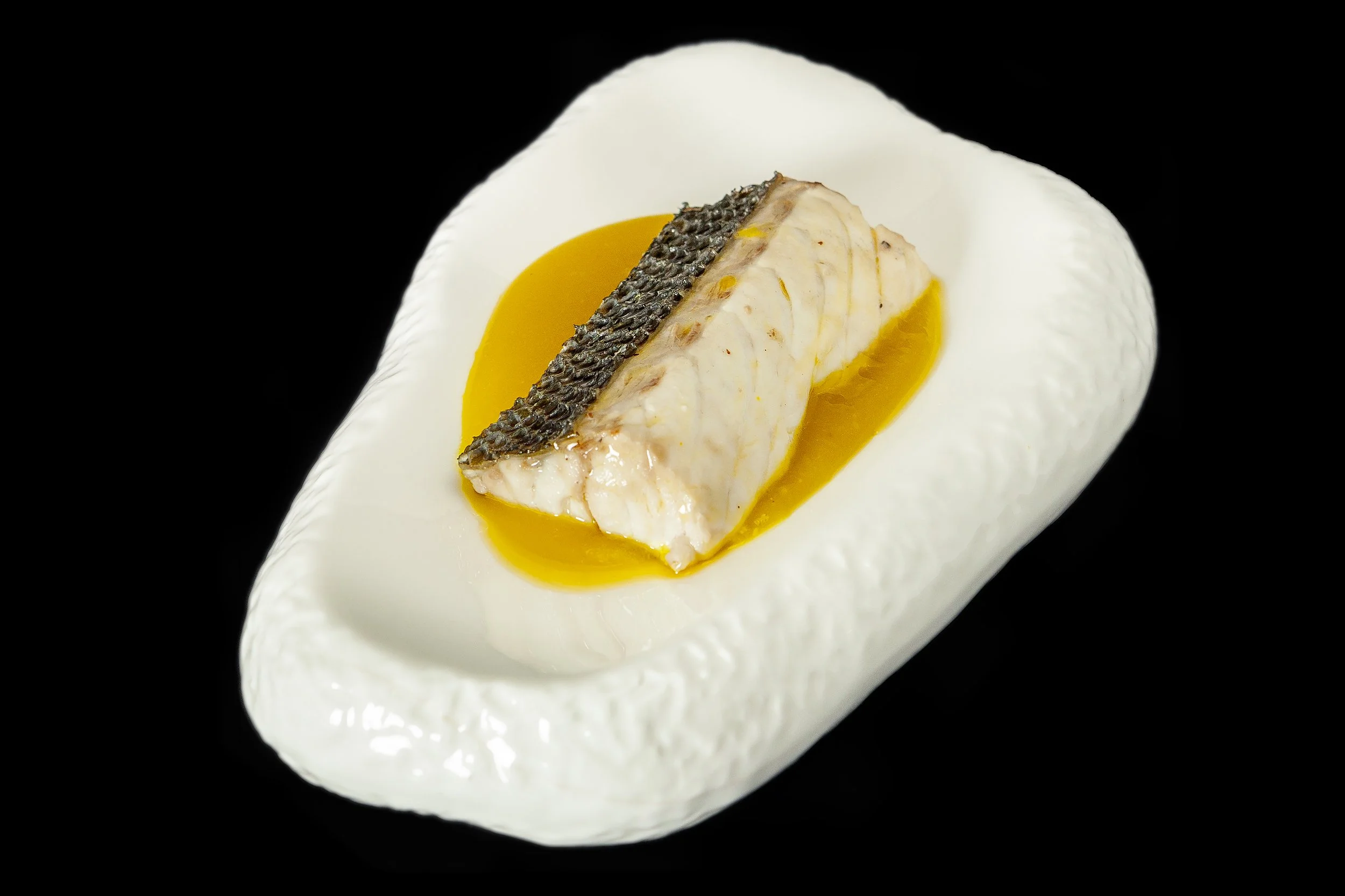
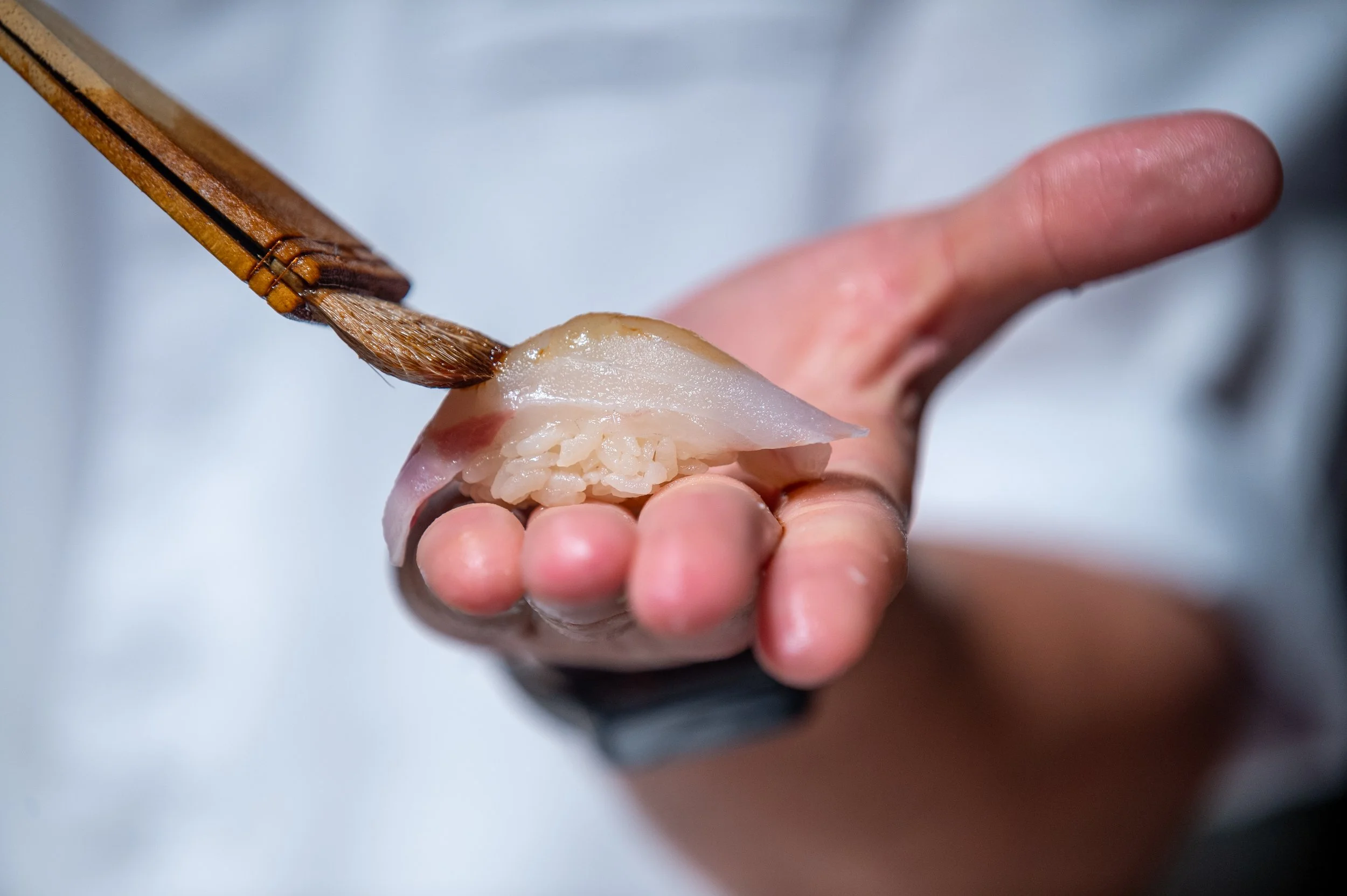
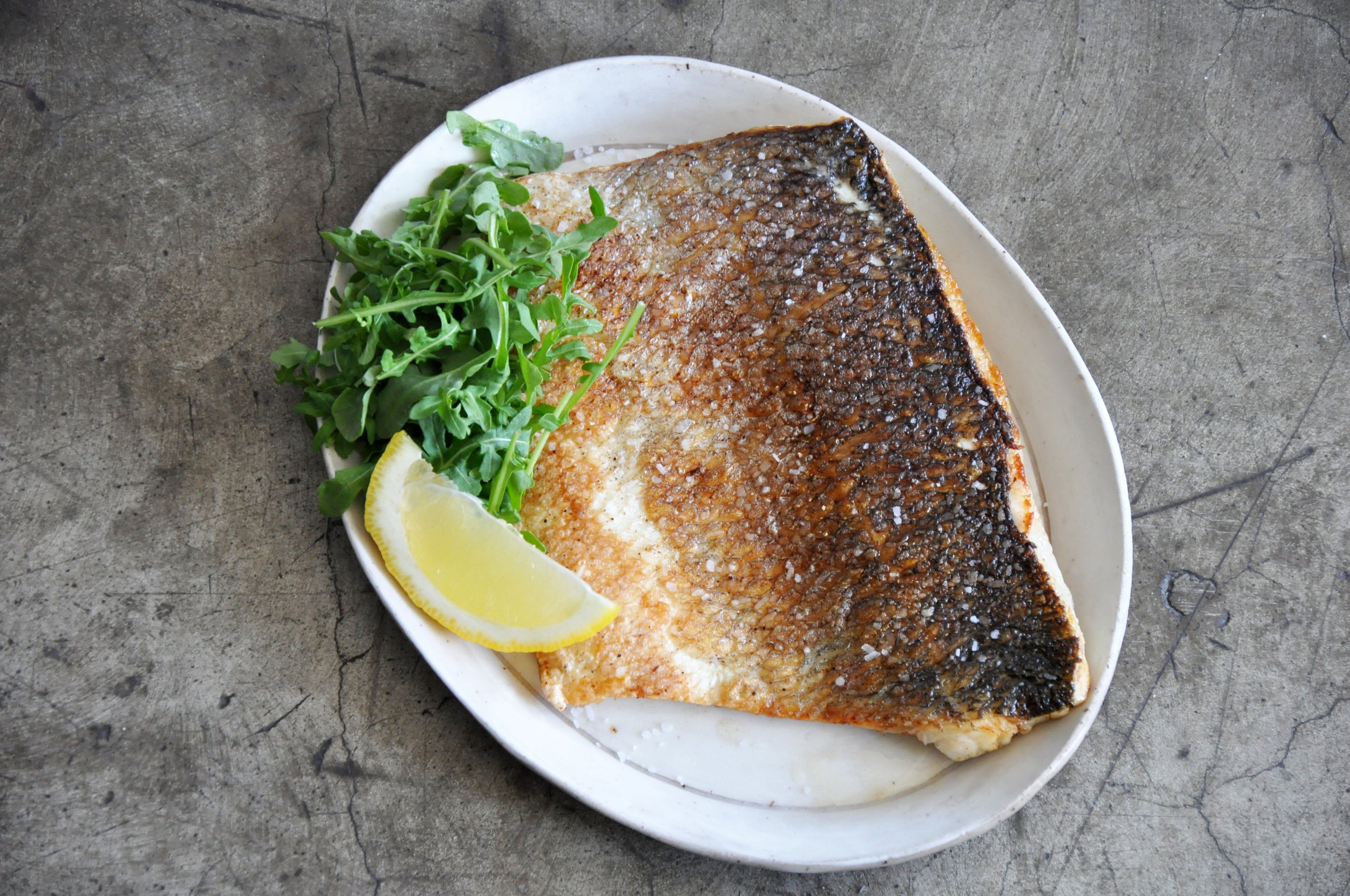
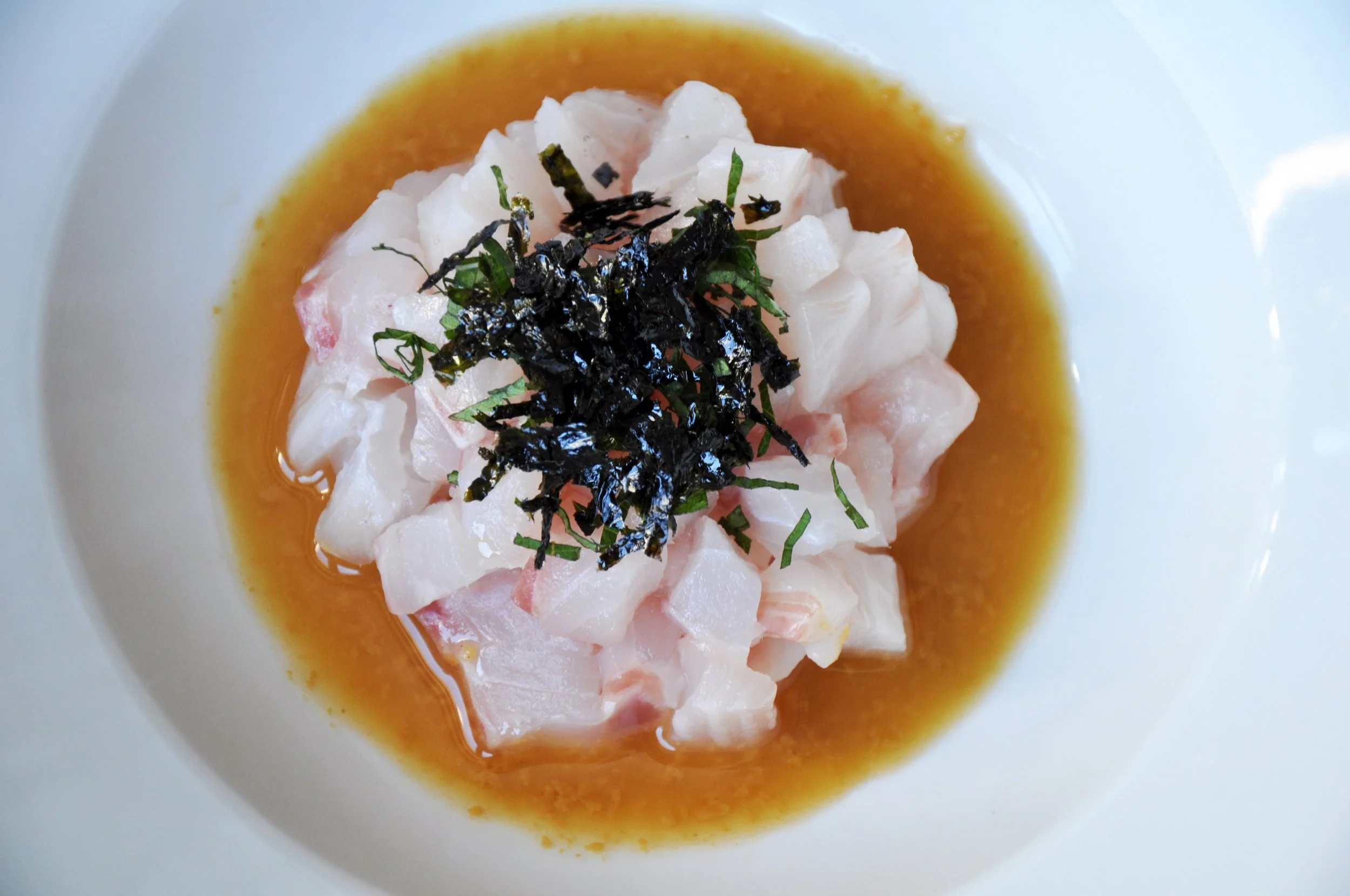
The loin of the fish is ideal for raw preparations. It’s also great grilled, oven-roasted or steamed.
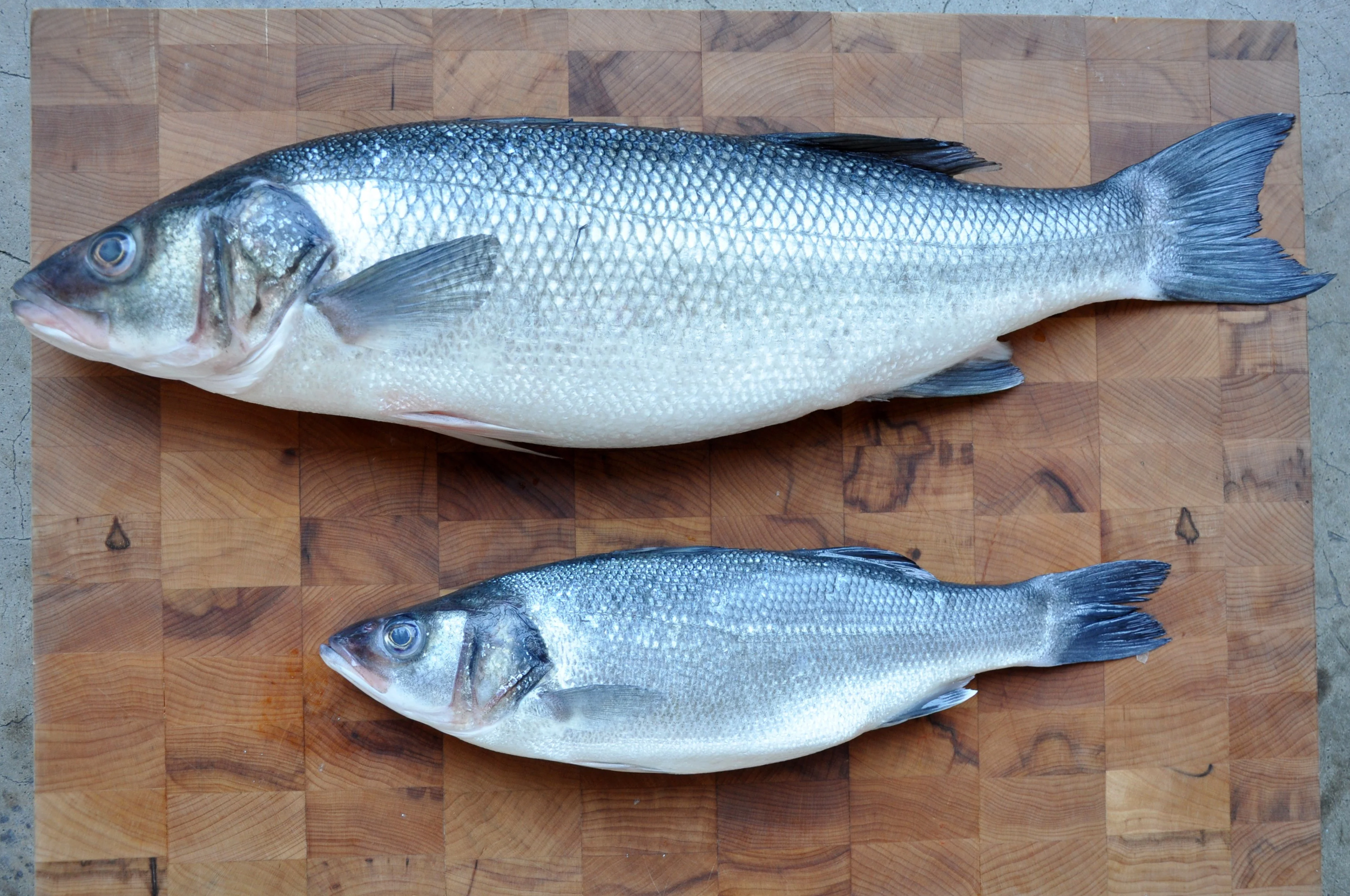
Great Atlantic Sea Bass and branzino may be the same species, but these bigger fish bring more flavor and a much bigger range of culinary possibilities.
in the kitchen
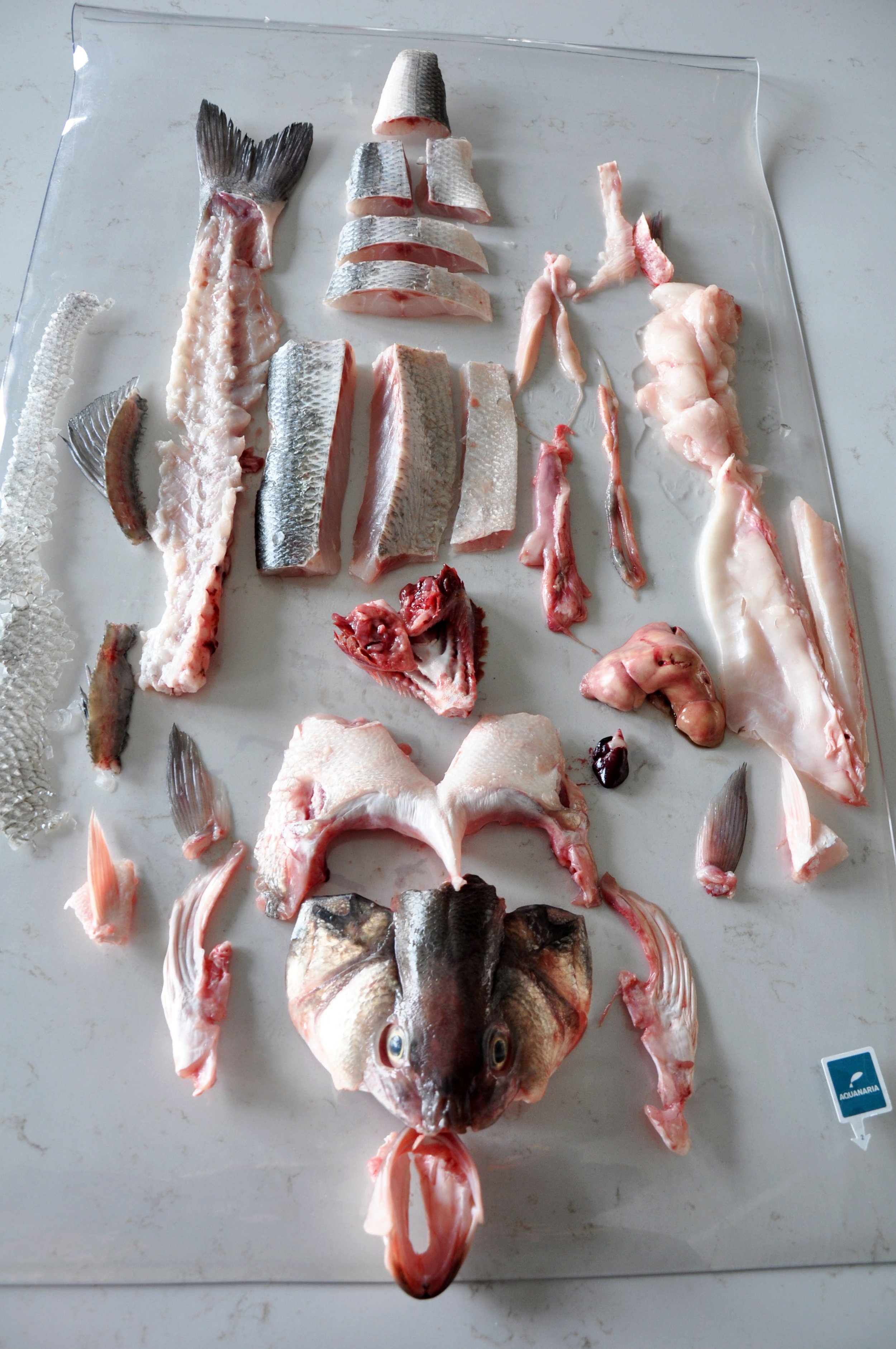
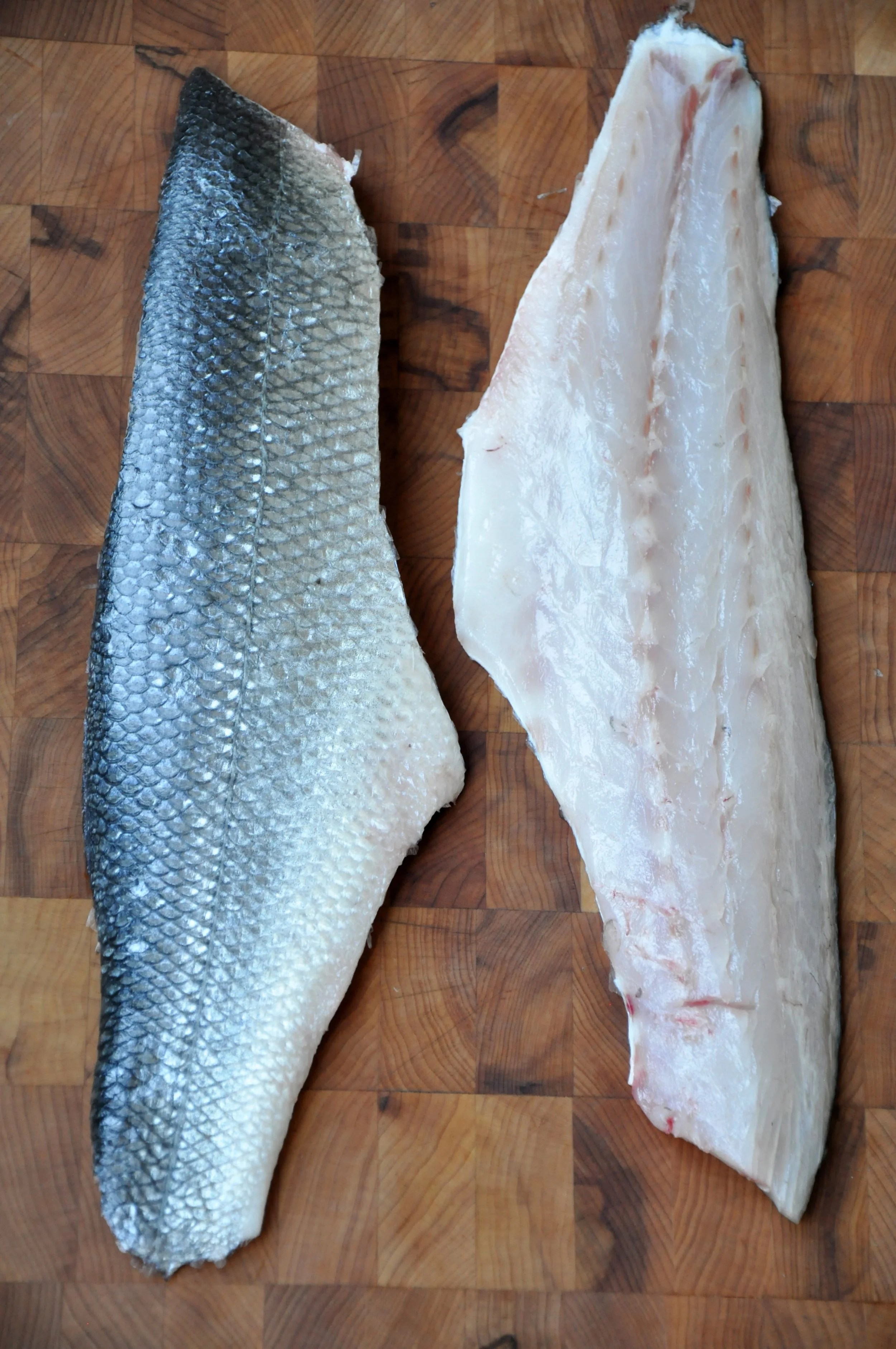
Sea Bass have well-differentiated parts when it comes to their composition and usage in the kitchen:
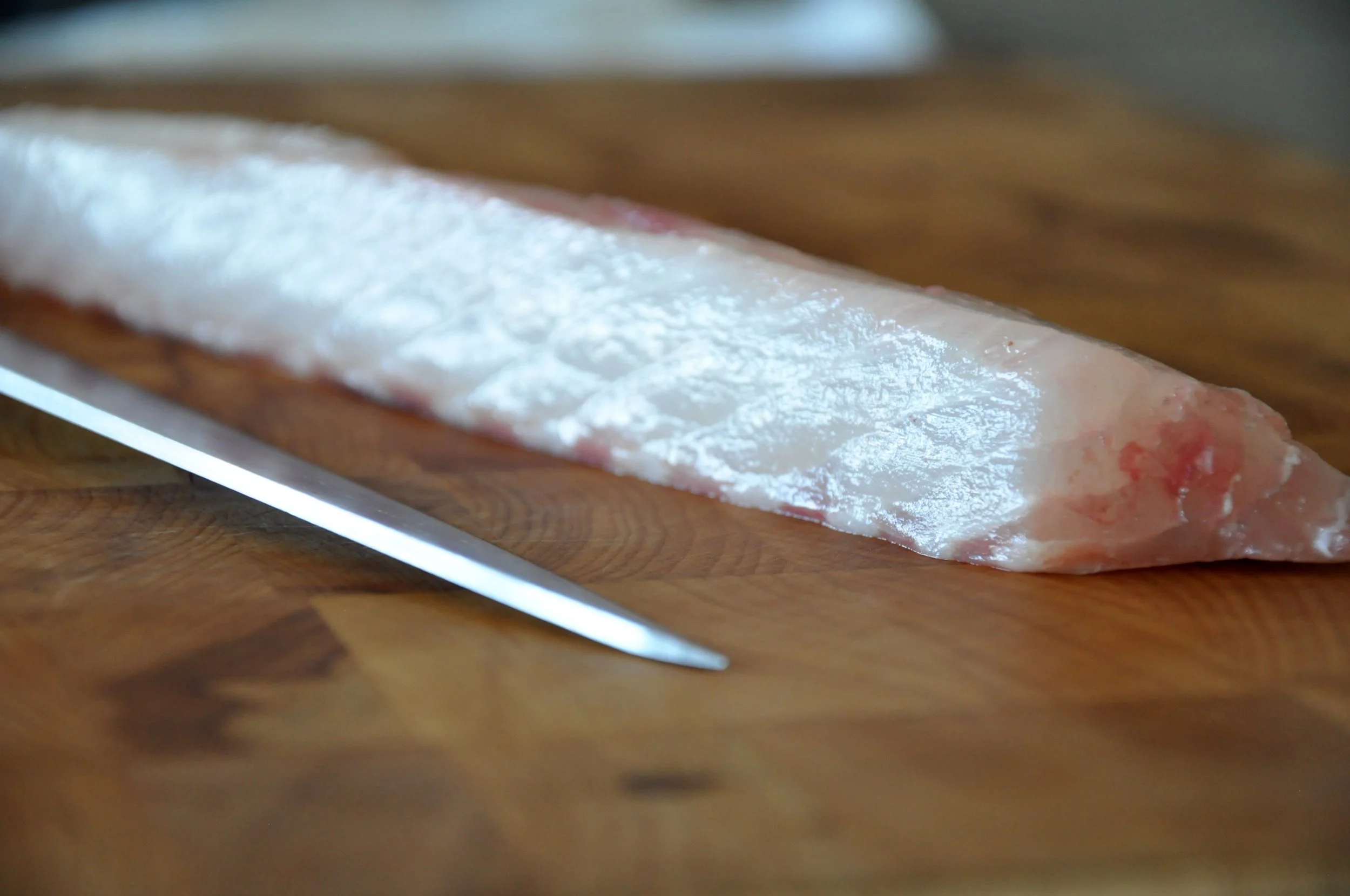
Loin — the thickest and firmest part due to its leaner composition. Ideal for sashimi. Also great for salted preparations, grilled, oven-roasted and steamed. It requires short-term cooking so that the meat does not dry out.
Belly — the fattiest part of the fish. It has a softer texture and it’s the perfect match for raw and quick preparations. When cooked, the fat melts quickly with the heat.
Tail — the part of the fish which moves the most, hence it spends all the fat reserves. This meat is the leanest. It’s great for cooking similarly to the loin. Requires short-term cooking.
Cocochas (or Kokotxas) — the tender, gelatinous flesh from the throat or chin area of fish is a Basque delicacy with melt-in-your-mouth texture. It can be removed and cooked with sauce, pil-pil, or battered.
resources
Downloadable sales sheet
Aquanaria website
Aquanaria on Instagram @aquanaria
certifications and partnerships
IFS Food and Global Gap certified to ensure the strictest standards for quality and best practices regarding environmental impact, resource efficiency, worker welfare, and animal well-being.
Aquanaria is an official partner of Michelin España, and other European institutions, including Basque Culinary Center, MOM culinary institute, MACC Madrid Culinary Campus, ALMA School of Italian Culinary Arts, and Ambasciatori Del Gusto.